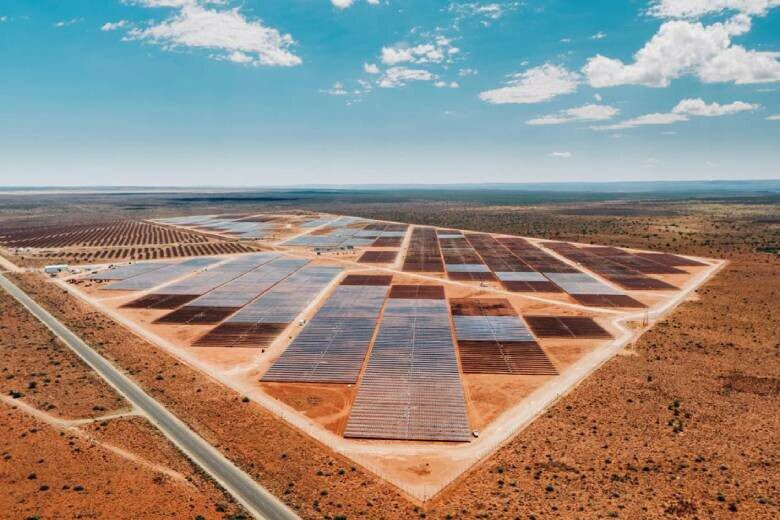
South Africa’s energy market has opened up like never before. Corporations, industrial users and municipalities now have access to a growing pool of independent renewable power producers. While options appear plentiful, only 6,372 megawatts (MW) of private capacity remains in active development, with most of the 5,727 MW under construction already contracted. This creates a need to identify proposals that can deliver long-term value.
As South Africa’s electricity market opens to private and renewable supply, buyers are being asked to compare increasingly complex power offers.
Inconsistent pricing models, differing risk allocations, escalation assumptions, and performance forecasts make it difficult to compare offers. Without transparency, buyers risk selecting contracts that appear competitive on paper but underperform in practice, potentially costing millions over the life of a project.
The challenge of comparing energy offers
“Energy is not a flat product,” says Gerjo Hoffman, CEO of Open Access Energy. “How and when you use electricity has a direct impact on what you ultimately pay. Yet many buyers are still forced to evaluate proposals in isolation, without considering real usage patterns.”
For example, two suppliers may quote similar tariffs, but one may include hidden exposure to peak demand, seasonal pricing swings, or operational risks that are not immediately visible. Without a like-for-like comparison, these nuances can be overlooked, undermining long-term cost certainty. Hoffman further explains that comparing the various proposals is like comparing apples with oranges. This lack of clarity slows decision-making, increases risk, and makes negotiating more difficult.
The importance of transparency
Transparency and standardisation are now critical for energy procurement. Buyers should evaluate proposals based on their actual consumption profiles rather than generic tariffs. By doing so, they can identify:
- The true landed cost of each offer over time
- How pricing responds to seasonal and peak demand
- Exposure to operational and financial risks
- Long-term value to their energy requirements
Long-term value relative to purchasing from the grid
“Once buyers can see exactly where costs and risks sit, they can make decisions based on evidence rather than assumptions,” says Hoffman. “This clarity enables procurement teams to avoid deals that look monetarily attractive upfront without fulfilment over the contract term.”
Transparent, comparable offers also support better negotiation. When buyers understand the mechanics of each proposal, they can question assumptions, align contracts with operational needs, and secure more favourable terms.
Building confidence in the market
The benefits of like-for-like comparison extend beyond cost efficiency. In a market where renewable supply is increasing, confidence in suppliers’ reliability and performance has become as important as price. Buyers who can thoroughly assess offers are better positioned to manage risk, maintain operational stability, and safeguard financial outcomes.
“Access to renewable energy is improving, but value comes from understanding the details,” Hoffman notes. “When buyers have transparency, they transact with confidence. They know that the contract they choose reflects their real usage and delivers the expected financial outcome.”
As the market matures, companies that adopt disciplined, data-driven approaches to energy procurement will have a distinct advantage. They can secure electricity that is not only greener but also more cost-effective and predictable over time.
In South Africa’s evolving energy landscape, transparency is no longer optional. The ability to compare energy offers on equal terms is a prerequisite for informed decision-making, effective risk management, and long-term cost certainty.
For energy buyers, adopting a like-for-like approach to evaluation ensures smarter decisions, strengthens negotiating power, and helps unlock the full potential of the country’s renewable energy sector. In a market defined by choice, clarity and confidence have become the most valuable commodities.
As electricity procurement becomes more complex, buyers who prioritise transparent, like-for-like evaluation will be better positioned to secure reliable, cost-effective renewable power in South Africa’s open energy market.
Adopt a transparent, like-for-like evaluation to ensure every energy contract reflects real usage, long-term value, and mitigated risk.