Safehouse says that safe electrical DIY starts with using the right products and leaving more complex electrical work to qualified professionals.
The South African DIY home improvement retail market was valued at over R10 billion in 2024 and is forecast to grow to over R14 billion by 20311. There is no doubt that many proud South African home owners love upgrading their homes themselves. From fixing leaking taps and wallpapering to hanging pictures and laying laminate, South Africans invest time and effort to enhance their homes, often also to try and save money by doing it themselves. But not all DIY projects carry the same level of risk. When it comes to electrical work, many consumers assume that if a product is available on a store shelf, it must be compliant and safe. Unfortunately, that is not always the case – and that assumption can carry serious consequences.
While crooked pictures, air bubbles in wallpaper or uneven flooring may sometimes result from a DIY mishap, these faux pas won’t be dangerous, unlike electrical DIY, which comes with its own set of risks.
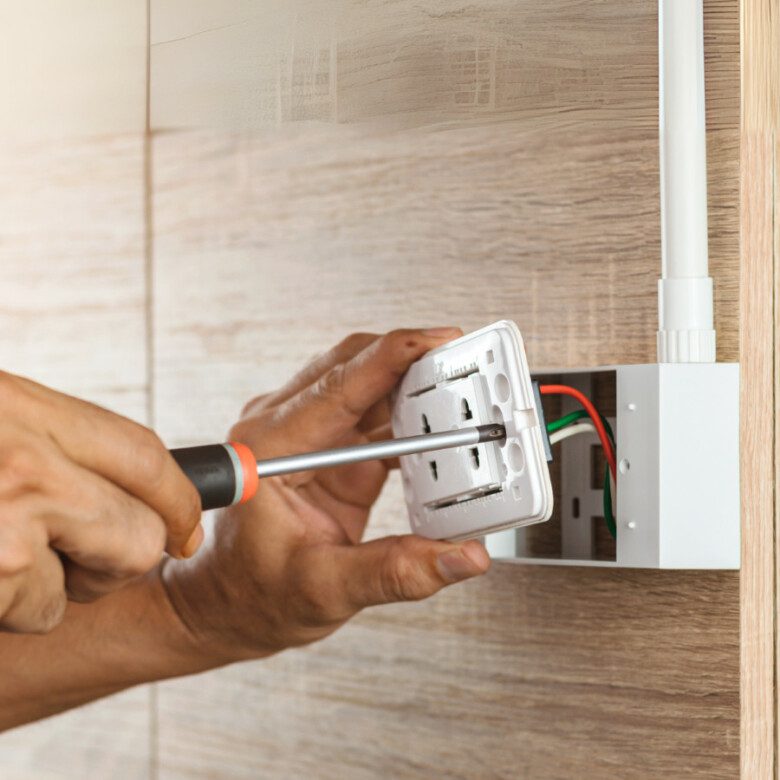
According to the Voluntary Electrical Safety Association Safehouse, common electrical DIY jobs include installing extension cords, replacing switches and sockets, fitting ceiling fans, and upgrading light fittings. While these tasks may appear straightforward, even small electrical jobs can introduce safety risks if not handled correctly.
Connie Jonker, part of Safehouse’s management team, says that one common DIY trend in recent years has been replacing older light fittings with LEDs. While this may appear simple, incorrect wiring, loose connections or incompatible dimmers can quickly create safety risks.
Safehouse also regularly sees homeowners attempting to replace stove plates, oven elements or geyser elements themselves, often overlooking critical steps. “Proper bonding – connecting the hot and cold-water pipes to the geyser and the system earth – is essential. Many DIYers replace the element but skip this step,” says Wimpie Lyons, Technical Specialist at Safehouse.
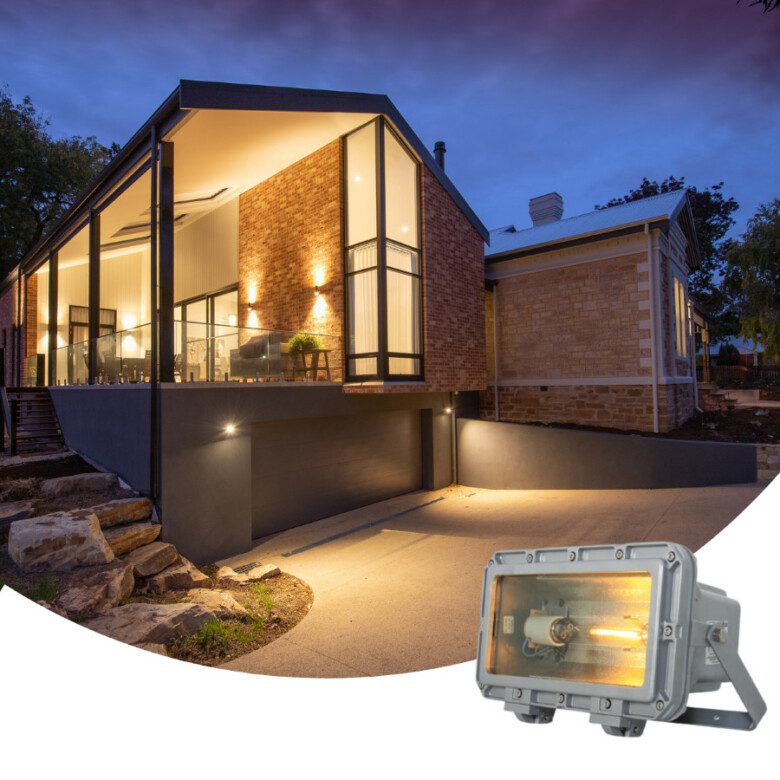
Other common issues include installing security lights or electric fencing with incorrect wiring, or using products not designed for high-heat environments, such as braai areas. “If you’re unsure, rather get a qualified professional to assist,” says Kevin Flack. “Electrical systems leave very little room for error.”
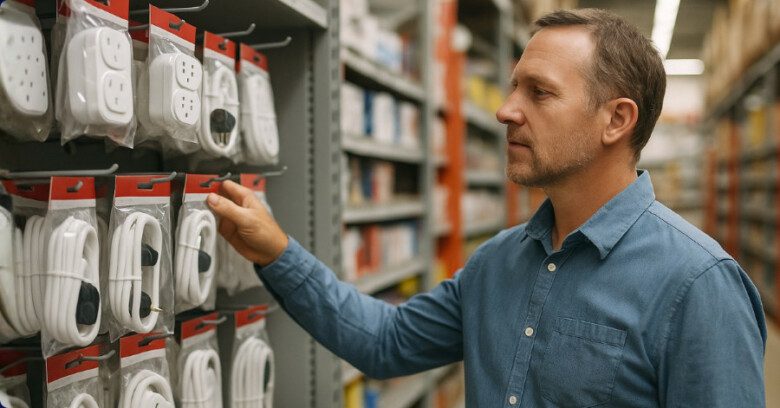
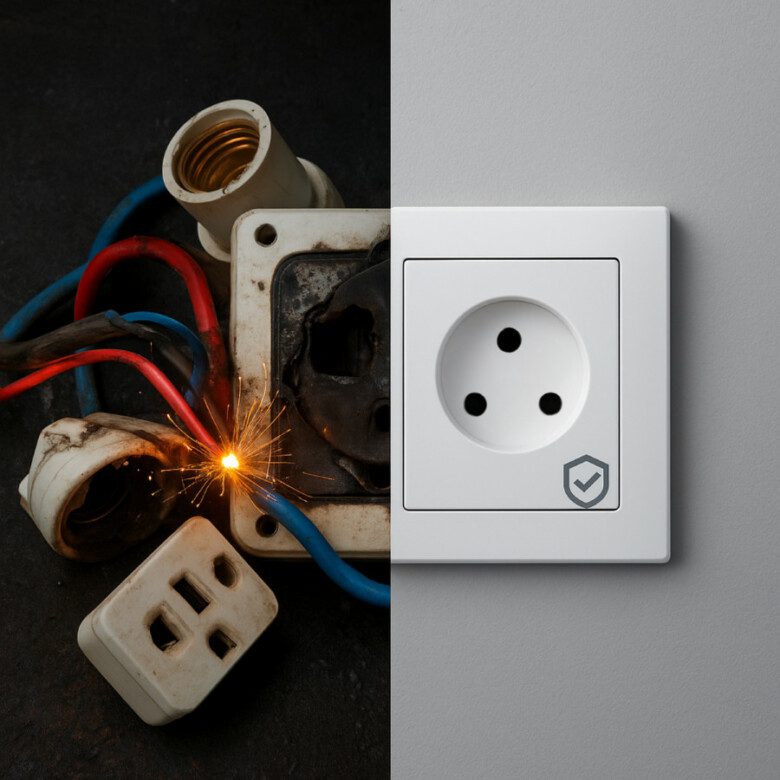
Of even more concern is that non-compliant electrical products are not always visibly inferior. They may look identical to compliant products, carry familiar branding, and be sold through mainstream channels. In a market where oversight and transparency are not always consistent, consumers often have little way of knowing whether what they are buying has been independently tested for safety.
Safehouse was founded to help close this gap by independently testing products and evaluating suppliers to ensure that they operate responsibly and meet established safety standards. The Safehouse mark then provides consumers with a clear signal of a supplier’s commitment to safety.
“With the influx of cheaper electrical products online, safety features are often the first to be compromised, along with the use of inferior materials, such as thinner wires or busbars, which are metal strips that safely carry electricity inside a device,” says Lyons.
Jonker explains that any product sold to consumers must comply with either national standards, compulsory specifications or international standards, with manufacturers being liable for damages if they are found to be selling unsafe products.
A further problem with many electrical products purchased online is that they may arrive unbranded
“When purchasing any electrical appliance, you need to know what brand of product you buy, that it is properly marked, and that it can be traced back to the supplier. When you purchase unmarked goods, you have no claim,” he says.
Flack says that these products are called grey products. “They bypass all the usual checks and are shipped directly to customers. These electrical appliances or parts skip all the standard safety phases and operate under the radar.”
That is certainly not to say that all electrical products purchased online carry the same risks. When a consumer buys online from an established company that also has physical retail outlets, they know where the product comes from and who is responsible. The real concern arises with online-only sellers that have no retail presence – this is where safety risks increase.
The take-home message from Safehouse is simple: do not assume compliance. Look for products that are clearly marked, traceable, and associated with manufacturers committed to independent testing. As part of its national awareness campaign, Safehouse is encouraging consumers to actively seek out and ask for Safehouse member brands in-store and online. “If you find anything that is questionable, return it to the supplier and complain about substandard goods,” says Jonker. When you see the Safehouse mark, or choose a product belonging to a Safehouse member, whether it yet carries the mark or not, you are choosing a supplier that has committed to independent testing, accountability and the highest standards of electrical safety.
While DIY can be rewarding and enjoyable, it can carry risks when electrical work is undertaken without the necessary expertise or when products have not been independently tested and verified for compliance. By following safety precautions and by choosing products from Safehouse member brands or those carrying the Safehouse mark, homeowners can ensure their DIY efforts enhance their homes without compromising safety.
Safehouse urges consumers not to rely on assumptions alone. Ask retailers which brands are Safehouse members, look for the Safehouse mark where available, and visit the Safehouse website to identify suppliers committed to independent testing and accountability.
Safehouse was founded in 2014 to protect consumers from unsafe and non-compliant products entering the market and to address gaps in regulation. For more information, go to www.safehousesa.co.za.