Chinese e-commerce platforms have seen combined monthly global web traffic grow from approximately 600 million in 2022 to nearly 3 billion by August 20251. These ultra-fast, global, online retail models initially marketed fast-fashion. Today, they sell nearly everything you could possibly imagine, spanning thousands of product categories and millions of individual items, with huge international consumer interest. And South Africa is no exception.
A survey conducted last year by a leading South African online news platform in collaboration with one of the biggest and fastest-growing global e-commerce marketplaces showed that 1 in 3 South Africans have already used one of the main Chinese e-commerce players, with nearly 40% being active monthly users.
The same survey found that South Africa now has 22 million online shoppers, with 41% purchasing electrical appliances and gadgets on these platforms, surpassing purchases of items like home décor or kitchenware. This is of major concern to the voluntary electrical safety association, Safehouse. Regulatory gaps in cross-border e-commerce mean that many imported online goods can bypass inspections, avoid customs scrutiny and skip compliance verification processes. With price, variety and convenience driving these purchases, what potential risks accompany the growing influx of these electrical products?
“In a market where 65% of consumers prioritise price above all else2, the growing influx of low-cost, unverified electrical products presents a serious safety challenge,” says Connie Jonker, Safehouse Technical Lead, with over 50 years’ experience in the electrical industry. “The core issue is not just poor quality, but the absence of testing, certification and compliance with recognised safety standards”.
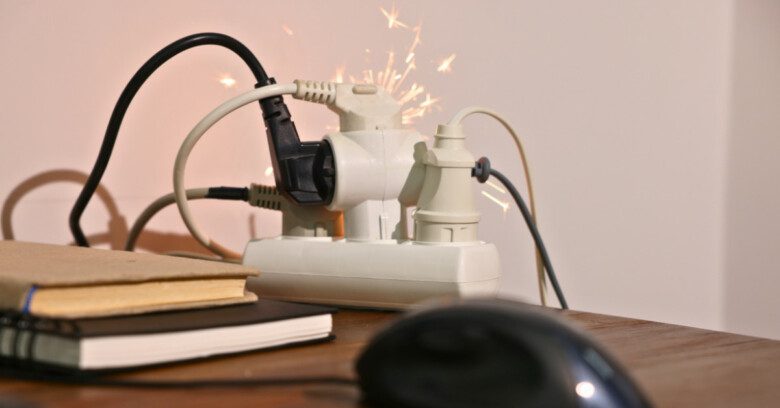
Popular items being bought online include USB charging cables, adapters, power strips, portable power banks, smart plugs and small kitchen appliances, many of which may lack local safety certification. These lower-cost products also often feature poor materials, inferior components and a lack of proper safety features. Consumers can no longer assume items are safe, even when they appear legitimate.
Safehouse, as part of ongoing national consumer awareness, is highlighting the risks posed by these products. In terms of local compliance, many electrical products imported and purchased online do not comply with South African safety standards and lack certification under the South African National Standards (SANS) and fail to meet approvals from the National Regulator for Compulsory Specifications (NRCS).
“Many of these products enter the country and go straight into consumers’ homes without ever being subjected to the checks and balances typically applied in formal retail settings. Because they never appear in physical retail outlets, they are not easily monitored, tested or intercepted by authorities,” says Jonker.
Making the situation worse, NRCS approval is intended to ensure products are safe for local voltages, environmental conditions and everyday household use. However, when NRCS testing does occur in South Africa, it is often inconsistent, relying on sporadic checks and documentation rather than comprehensive evaluation. As a result, non-compliant or potentially unsafe products are more likely to enter and remain on the market undetected.
There is therefore no assurance that many of these electrical appliances and products coming into the country have passed electrical insulation tests, fire resistance tests or load and durability testing, which means increased risk of electric shock, short circuits or equipment failure.
Another issue is that these unbranded or poorly labelled products cannot be traced back to a supplier, so if something goes wrong, consumers have little to no recourse, as there is no clear accountability chain. Worse even is that when some of these products appear to carry familiar brand names, they may in fact be counterfeit.
“Without proper labelling or traceability, consumers are left exposed, with limited ability to claim damages or hold suppliers accountable,” Jonker says.
Safehouse, which was founded in 2014 to address gaps in electrical product safety and compliance, wants to guide consumers toward safer choices by recommending traceable, reputable brands through trusted retail channels.
Not all online shopping is risky: Buying from established, reputable retailers is generally safe because the supplier is known and the products are traceable. A growing list of compliant products and Safehouse member manufacturers and retailers is listed on their website
In terms With so many South Africans turning to global e-commerce platforms for convenience and affordability, the risks associated with untested and non-compliant electrical products are becoming more of a concern. The key message from Safehouse is to buy from reputable manufacturers and retailers, ensure products are compliant with local safety standards, are clearly branded, properly labelled and traceable to a supplier, and to verify this all through the information and resources supplied on the Safehouse website.
“Looking ahead, our goal is for all verified products to carry the Safehouse mark on their packaging. In the meantime, we remain committed to educating consumers, engaging with regulatory authorities and doing everything we can to ensure the safety and reliability of electrical products in South Africa,” Jonker says.
For any businesses or manufacturers wanting to find out information about becoming a Safehouse member, please go to www.safehousesa.co.za. For consumers wanting to find more information about safe products and how they can make good buying decisions, please go to www.wheresthemark.safehouse.co.za.
References:
1. https://www.marketmaze.me/p/china-retail-shift-global-ecommerce-trends
2. https://www.news24.com/brandstory/partner-content/temu-turns-one-in-south-africa-survey-reveals-rising-popularity-among-shoppers-20250113