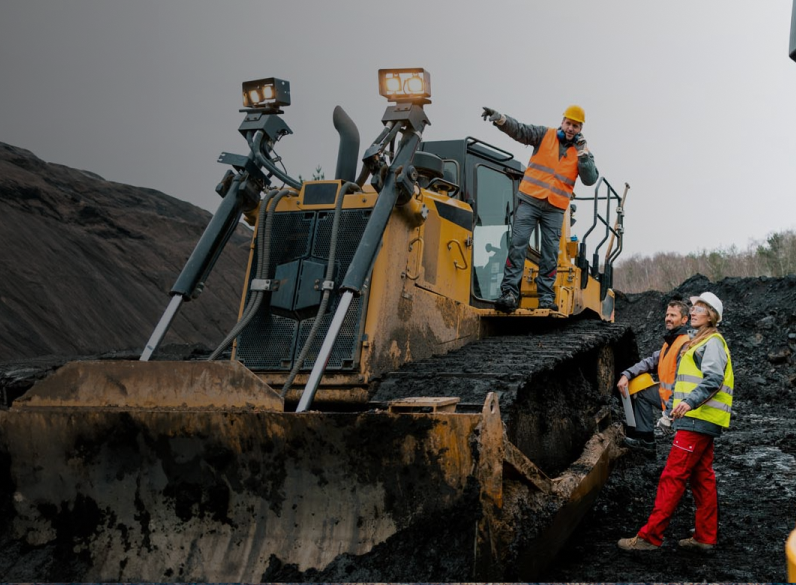
Like the swing of a pendulum, mining organisations find themselves caught in a familiar rhythm: chasing higher productivity, cutting costs whilst still delivering sustainable output.
It’s a big ask which needs to be balanced against another trifecta or three-pronged conundrum of sorts: ageing equipment, tightening margins and rising regulatory and safety expectations.
The challenge is that much of today’s mines’ infrastructure has been operational for decades. Production historically took precedence over maintenance, which means today’s mining operators are under immense pressure to improve productivity with infrastructure that might not be up to task anymore.
This is where modern Enterprise Asset Management (EAM) proves its value, elevating maintenance from a routine function to a strategic business priority.
Beyond reactive maintenance
For many years, mining operations relied on reactive maintenance, fixing equipment only once failures occurred. However, unplanned downtime is simply not an option anymore.
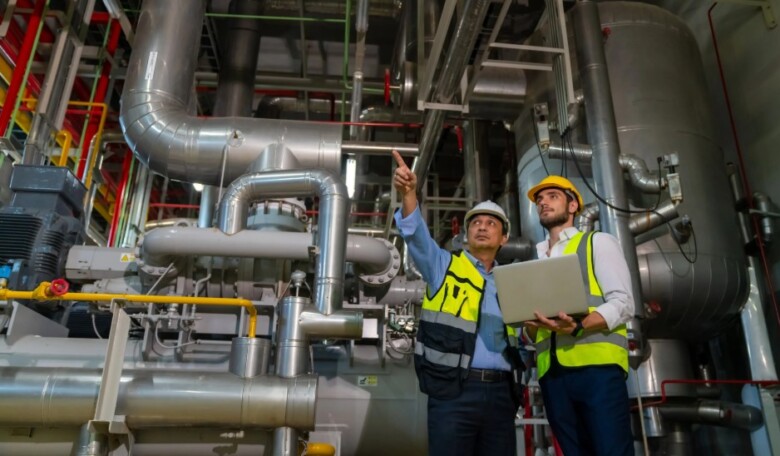
The good news is that modern EAM incorporates digital technologies, which, in turn, enable mines to move towards predictive and condition-based maintenance strategies. Through connected devices, smart sensors, advanced analytics and integrated monitoring platforms, mines can gain real-time visibility into the health and performance of critical assets.
This also allows operations teams to identify potential failures before they happen, reducing unexpected downtime, improving safety and enabling more strategic maintenance planning.
Importantly, modern EAM strategies do not require mining companies to replace entire systems. In reality, the focus is on understanding how to optimise, maintain and safely extend the life of existing assets. In many cases, operators can convert significant capital expenditure into operational expenditure by modernising strategically rather than replacing wholesale.
Many intelligent monitoring and digitalisation technologies can be retrofitted onto existing infrastructure, allowing operators to optimise and safely extend the life of current assets while delaying large-scale capital expenditure.
Ultimately, the focus is increasingly on maximising the value of existing infrastructure through better visibility, lifecycle management and operational intelligence.
Sweating assets
Extending the life of mining assets is not simply about keeping ageing equipment operational for longer. It is about ensuring assets continue to perform safely, reliably and efficiently within a clearly defined operational roadmap.
This process, often referred to as “sweating the assets”, requires a balance between performance optimisation and lifecycle management. Again, by using predictive analytics and lifecycle monitoring, mining companies can gain insight into when equipment is approaching operational or commercial end-of-life (EoL).
For example, modern EAM platforms can identify degradation trends in critical equipment such as drives, protection systems and electrical infrastructure. These help operators determine whether assets can continue operating safely for several more years or whether replacement planning should begin immediately.
Importantly, modern EAM platforms provide insight into the performance and condition of critical infrastructure, helping operators determine which assets can continue delivering value safely and which require intervention.
Extending the life of a mine
EAM is undoubtedly a critical enabler of long-term mining sustainability. For one, it improves the reliability and efficiency of infrastructure, which enables mining companies to maintain production levels for longer while reducing costly operational disruptions.
At the same time, integrated EAM strategies support broader digital transformation initiatives by connecting operational technology, energy management and analytics into a unified operational ecosystem.
This enables mining companies to move beyond siloed maintenance practices towards fully integrated operational management. It also creates more intelligent operations where infrastructure, operational data and predictive insights work together to enhance productivity, safety and decision-making across the mining value chain.
Ultimately, a feasible and practical modern EAM roadmap should feature:
- Beyond tech rollouts – EAM success starts with grasping each mine’s operational realities, bottlenecks, and long-term goals.
- Asset base audits – companies must assess everything, from field equipment to analytics platforms, before charting a roadmap.
- Maintenance under the microscope – evaluate current practices, pinpoint risks, and analyse asset lifecycles alongside data use.
- Phased, not generic – roadmaps should prioritise critical assets and align tech investments with business strategy.
- No one-size-fits-all – each mining operation has unique priorities; the roadmap must bridge today’s state with tomorrow’s ambitions.
- Competitive edge – intelligent asset management will decide which mines thrive under cost pressures and ageing infrastructure and which fall behind.
By Cecil Maartens, Account Manager, MMM Segment for SSA at Schneider Electric.